Jodi Maiers, a nurse of 16 years, has basically seen it all. The joys, the challenges, and the life-changing moments that come with a career in travel nursing. Like millions of nurses in the United States and across the world, Jodi stepped up to take care of Americans who were impacted by COVID-19 in 2020.
The toll of care in a crisis: The lasting impact of the COVID-19 pandemic on one travel nurse's family
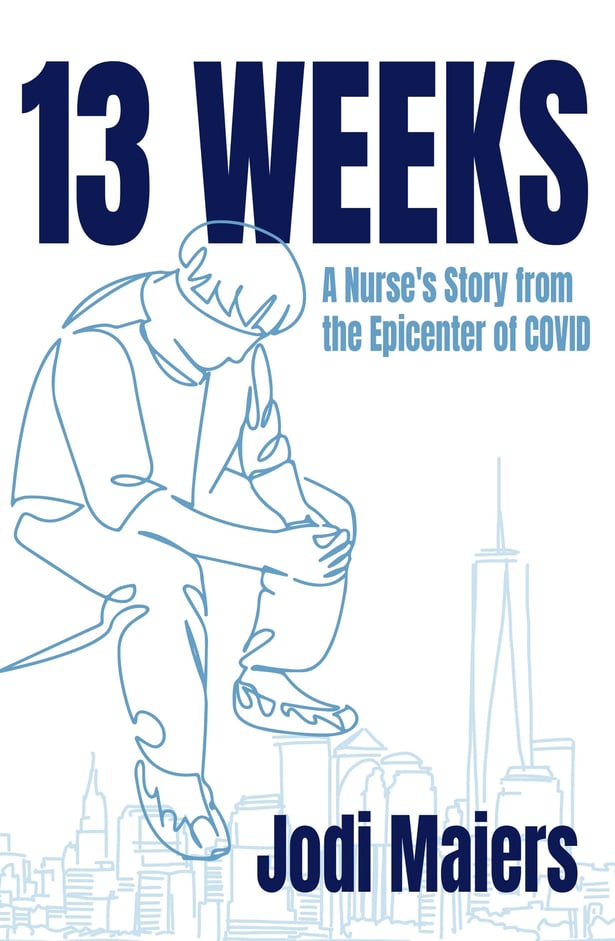
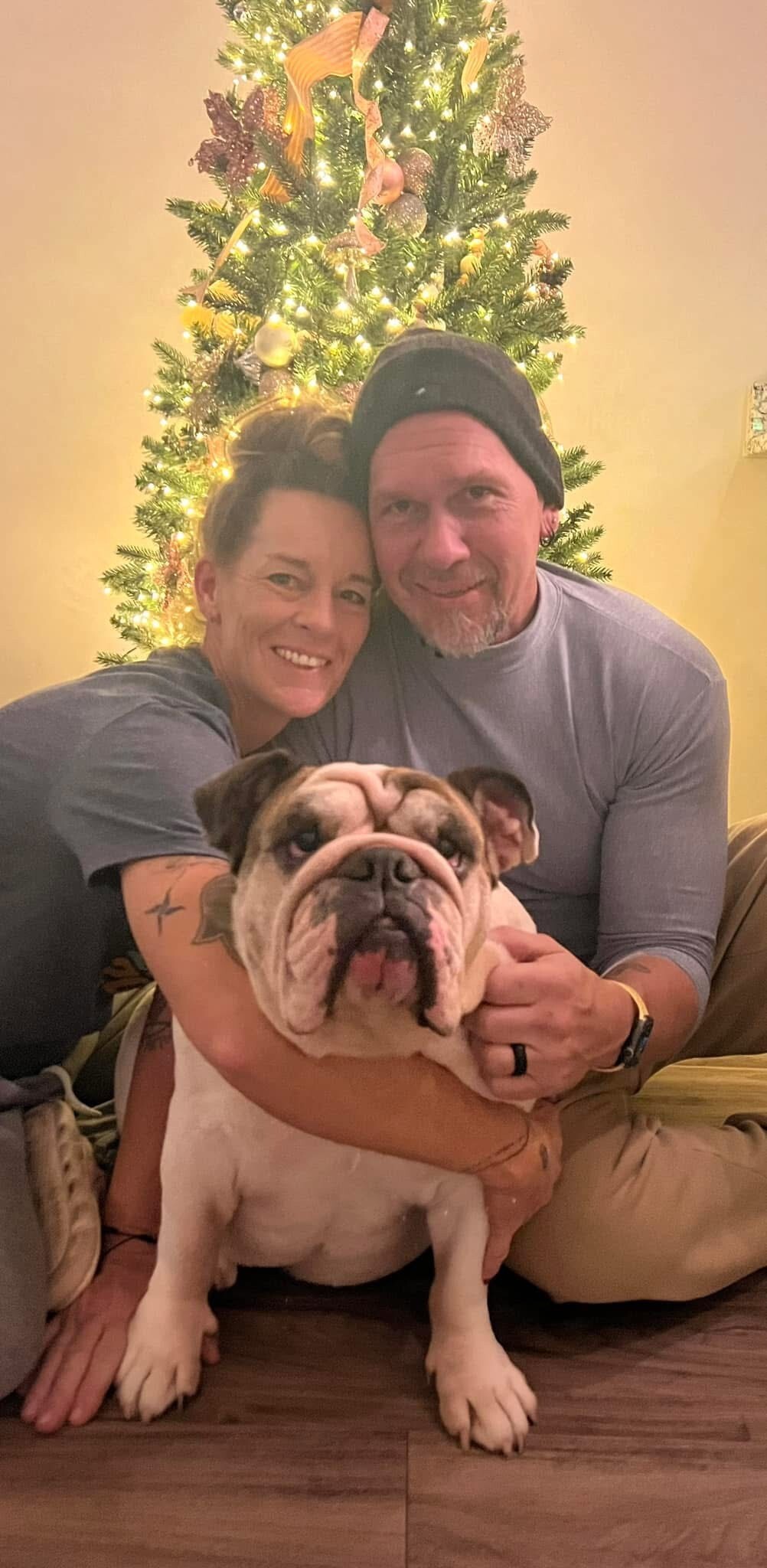
Jodi is part of a traveling duo; her husband Scott is a travel ICU nurse who took his nursing calling seriously when he was needed most. Jodi and Scott’s family was changed forever because of the sacrifices they made to heal Americans. Jodi released her debut book, “13 Weeks: A Nurse's Story from the Epicenter of COVID” in December 2025 to share her family’s story.
Fusion is lucky to be part of Jodi and Scott’s story. One of our longtime recruiters and now trainers, Raquel Pfannenstiel was Scott’s recruiter during the pandemic. The following interview with Jodi shares a taste of what the book entails and what Jodi wants readers to take away from it.
Q: Tell me about your healthcare experience.
Jodi Maiers: I graduated from nursing school in December 2010, and as a nursing student, you have this vision of the kind of nurse you’re going to be. Ultimately, the psych end of nursing has been my favorite of all the specialties, and I began traveling in March 2019. My specialty is hospice, and the nature of traveling was so exciting to me. I never thought I would be a career traveler, but my husband Scott and I are still doing it, and we are on assignment now in Maine.
Q: Speaking of Scott, what is his specialty?
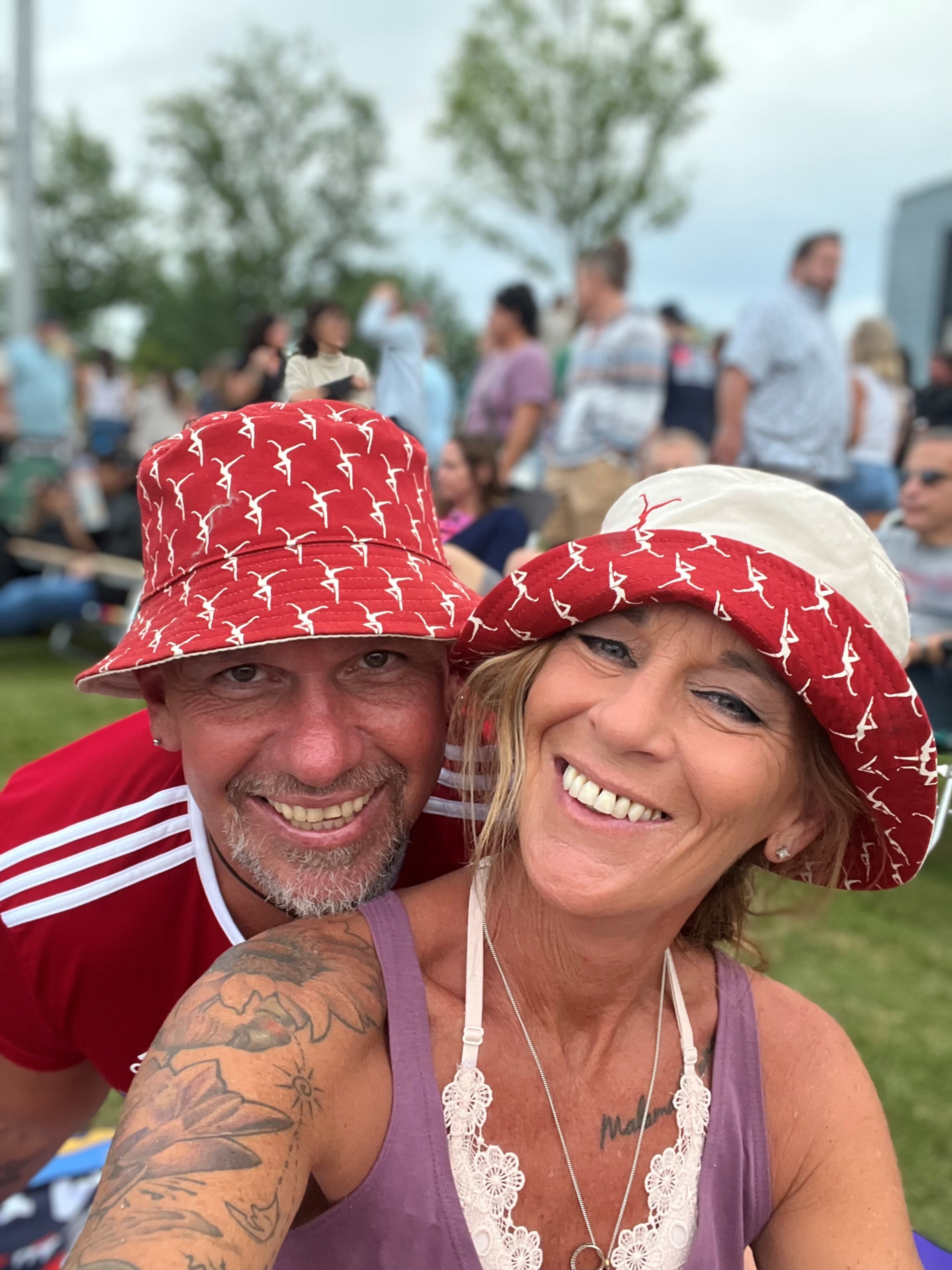
JM: He was an ICU nurse whom I converted to a hospice nurse about three years ago, but he has traveled since 2007. If it weren’t for Scott, who pushed me out of my comfort zone and helped me believe in myself, I don’t know if I would have the confidence to travel like this. Having him as a travel partner and life partner all in one has been a real resource for me. This work we do is a different beast, and it’s important to lean on each other.
Q: The pandemic officially began in March 2020, and you had been traveling for a year. Tell me how you found out that your life was about to change.
JM: I was in Asheville, North Carolina, when the president came on the news to tell the country we were in a pandemic. I will never forget that day. I just remember feeling so weird. I had been doing hospice care leading up to that, and we had started to see more and more refusal of visits because people were trying to protect themselves from the virus.
Prior to this, Scott and I thought maybe it was a good time to come off the road and take permanent positions somewhere, but as things progressed, Scott couldn’t resist wanting to help people. I remember coming home, and it just felt like I knew what was about to happen before he even said the words. He said, “I’m going to New York.” And I said, “Are you sure?” He told me he had to go help, that he was trained to do this kind of thing, despite wanting to tell him “no,” I knew he was going, because that is who he is.
It was my job at that moment to put my fears aside and support him because we have a whole family that now needs to be told this news, and he needs to feel our love and support.
Q: This must be where Raquel enters the story. How did that conversation with her go?
JM: Raquel Pfannenstiel was Scott’s recruiter, and she had always been this fun, personable recruiter who wanted to hear about how our family was and how our vacations were. That phone call with Raq was so different, though. We could tell that she was just as confused and scared as we were, and we all needed to work together to get Scott on an assignment where he could help and also feel supported while he took this on. Scott trusted her, and in his experience traveling, he just knew that your recruiter makes a huge difference. Fusion is lucky to have her in the building.
Q: While she was getting him an assignment, were you also considering traveling again to help?
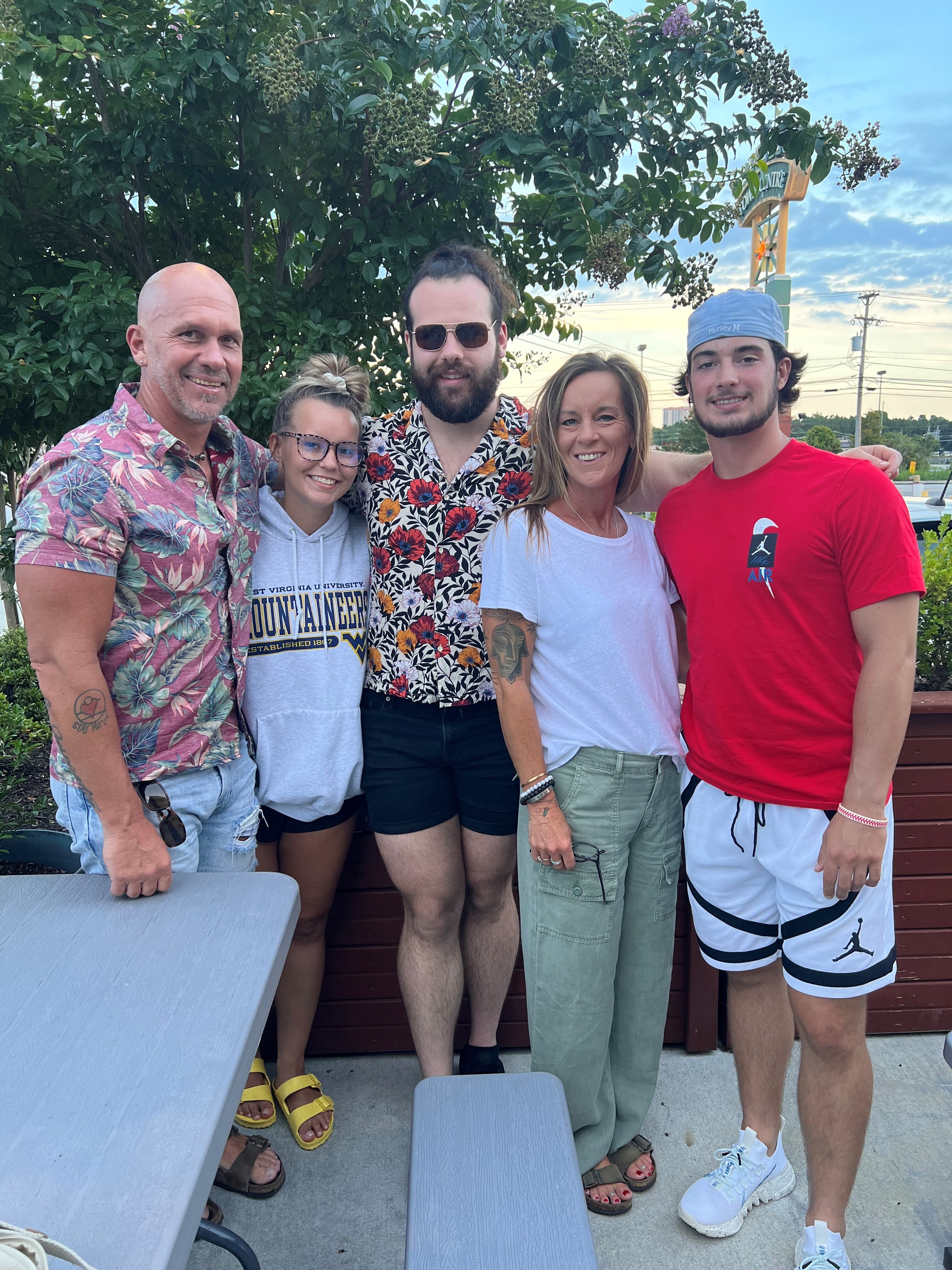
JM: One of us needed to be home with our kids. I knew that Scott was never going to be the same after this, and I wanted to be his support system, even if from a distance, and take care of our family. I was working as a clinical director. I was being told how to source out PPE. I had moments where I was making impossible decisions about how many masks could be given when we were short. I finally had enough and said, “I’d rather be the receiver of these masks than sit here protected.” I called a clinical director friend of mine at Duke to say I was ready to get out of my administrative role and start working with patients again, and she asked me how soon I could get to her facility. Back to travel I went. At the beginning of COVID, my specialty, hospice, wasn’t needed as much, but now that need was coming to my specialty, and they needed me.
Q: Once you told Scott and the kids, was he able to help you prepare you for what you were walking into?
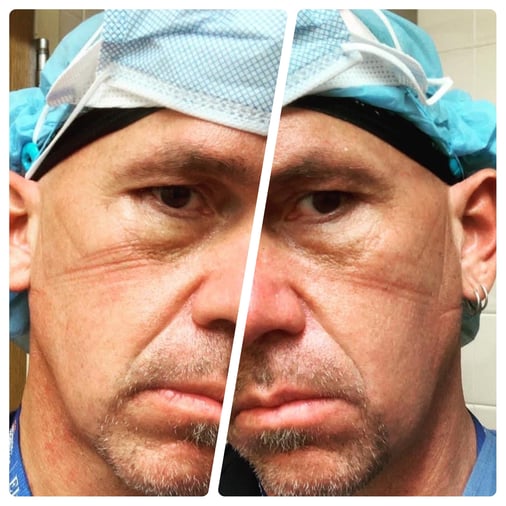
JM: He told me what he was seeing. Horrific, might I add. Some of the most important help he gave me was how to put PPE on correctly and make sure the seal was correct. It wasn’t that I didn’t know, it was more of not doing it except in nursing school. None of us needed it much, not at the scale the pandemic gave us. Now, I tell nurses to take things like their nursing simulators and CEU education very seriously. Ask the questions and brush up on your skills that aren't utilized daily; it just might save your life.
Q: How did you get to the point of knowing you needed to tell your story?
JM: Scott was my inspiration. I have been writing since I was 16, but I never thought in a million years that I would end up writing a non-fiction book. Life just has a way of slapping you right in the face with the story that needs to be told. This book is about what nurses go through. Even taking COVID out of the picture, it is not natural to see some of the things that nurses in all specialties see. The pandemic exposed that at scale, but we are told that we signed up for it, so we should expect these traumatic things to happen.
I also thought about men and the male nurses who worked during this time. They are born with the expectation that if they show emotion, they are weak. It was my goal to bring mental health awareness to nursing. We have to be better with each other, stop eating our young, and stop thinking that someone is going to one-up you. At the end of the day, what are you here for? We’re one of the largest professions, and we can’t move things forward because we’re so divided instead of coming to the table with an empathetic heart and ears ready to listen.
Q: What do you want people to learn from your and Scott’s story?
JM: COVID was a different beast, but nurses go to work every day and can be at risk. The pandemic didn’t need to happen for that to be true. Crazy things can happen throughout their day, and that flows over. Maybe they’re quiet at dinner, or they wake up in cold sweats, or they are burnt out because they can’t ever really take a vacation. This starts as early as nursing school, and we shouldn’t have to be so tough all the time. We need to be given permission that it’s OK, and bravery is to admit that you aren’t OK.
I want people to sit with this story and give this time in history what it deserves. Honor what happened and the people who were there to help. Other people were in the field too like police officers, paramedics, firefighters, and other professions were in the field. We can’t forget what they went through, because I know they will never forget it.
Q: What advice do you want to give to other healthcare travelers as they navigate their careers?
JM: My biggest advice is to figure out what your motivation is. For example, if it’s money, be realistic that you can’t go to Florida in the winter because you won’t make a huge amount there. My next piece of advice is that your recruiter can’t be your end-all be-all. Communication is key. We are adults, and you shouldn’t expect them to solve everything for you. They should back you up and should maintain communication with you, but you have to take some responsibility. It’s a reciprocal relationship. If you feel uncomfortable about your assignment or recruiter, keep a paper trail, come to the table with solutions rather than just complaints, and you might just be surprised at how you can make your situation as great as possible.
Jodi’s book “13 Weeks: A Nurse’s Story from the Epicenter of COVID” is available on Amazon. You can connect with her on social media or via email. Jodi Maiers on Facebook; j_maiers on Instagram; and jodimaiers_author@outlook.com.